
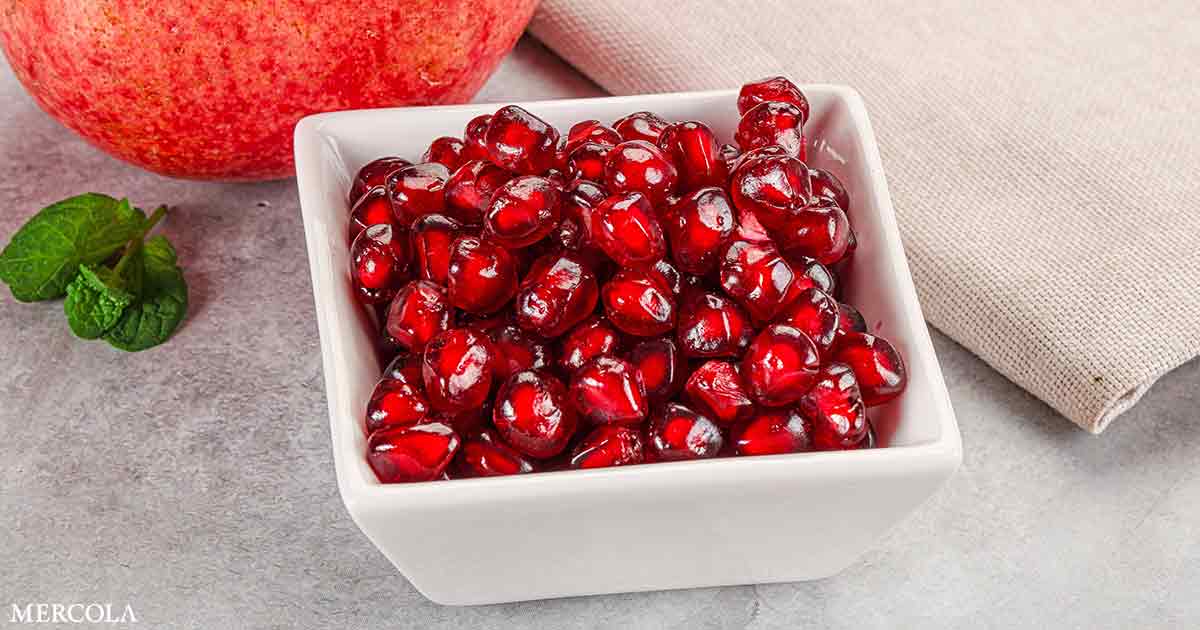
This Ancient Fruit Fights Cancer, Protects Your Heart, and More
There's a reason the pomegranate has been celebrated for centuries as a symbol of vitality and longevity. Ancient civilizations instinctively recognized this vibrant fruit as something special, tying it to health and renewal long before modern science could explain why. Turns out, they were onto something. Today, researchers are catching up, digging into the pomegranate's rich array of natural compounds to understand what makes it so uniquely powerful. Packed with antioxidants, polyphenols, and anti-inflammatory properties, this ruby-red fruit appears to support everything from heart health to cellular repair. Scientists are especially intrigued by its potential role in fighting oxidative stress, the kind of cellular damage linked to aging and chronic disease. What ancient healers understood through observation, we're now beginning to confirm through science. The pomegranate isn't just a pretty, jewel-toned snack, it's a genuine wellness ally with a legacy spanning thousands of years. As research continues to unfold, this age-old fruit is proving that sometimes, tradition and science really do agree.

Avocado Magic: The Fruit Fixing Your Heart Without the Guilt
Let's talk about avocados, nature's creamy overachiever. Unlike most fruits packed with sugar, avocados bring something totally different to the table: healthy unsaturated fats, about 6 grams per serving. That's a nutritional plot twist worth celebrating. Curious if this fat-forward fruit could actually fit into a balanced diet? Science says yes. The HAT Study, a major clinical trial, found that eating avocado daily actually improved overall diet quality, and the best part? No weight gain to worry about. So you can enjoy your guacamole without the guilt. Here's another reason to love this creamy staple: adding avocado to your meals helps your body absorb more fat-soluble vitamins, like A, D, E, and K, from the other foods on your plate. Think of it as a nutrient booster hiding in plain sight. So next time you're building a salad, smoothie, or toast, consider tossing in some avocado. It's not just delicious, it's doing some serious behind-the-scenes wellness work too.

Tiny Seeds, Big Heart Benefits Natures Original Superfood
Ever wonder why your grandmother swore by a spoonful of flaxseed? Turns out, she was onto something big. Tiny seeds like flax, chia, pumpkin, sunflower, sesame and hemp are nutritional powerhouses packed with fiber, healthy fats and essential nutrients your body craves. Best of all, they deliver real results without the toxic side effects that often come with pharmaceutical drugs. These little seeds pack a serious punch. Their rich soluble fiber content helps lower cholesterol naturally, supporting your heart in a gentle, sustainable way. They also play a role in regulating blood pressure, keeping your cardiovascular system balanced and steady. And when it comes to inflammation—one of the root causes of so many chronic health issues—these seeds offer a natural way to help calm things down from the inside out. Sprinkle them on oatmeal, blend them into smoothies, or toss them into salads. However you enjoy them, incorporating these seeds into your daily routine is a simple, delicious step toward better wellness—no prescription required.


Forget Blueberries—Your Coffee and Chocolate Are Antioxidant Gold
Who knew your daily indulgences could double as health boosters? Dark chocolate, especially varieties with 75% cocoa or higher, packs a serious punch of flavonols, polyphenols, and anthocyanins, delivering three times the antioxidants found in milk chocolate. So that after-dinner treat is doing more than satisfying a sweet tooth. Your morning coffee deserves some credit too. A medium roast, brewed for about three minutes, actually boasts a higher antioxidant capacity than blueberries, proving that your favorite pick-me-up is quietly working behind the scenes to support your body. And let's not forget pecans, often overlooked but nutritionally mighty, offering double the vitamin content of many other popular nuts. Together, these everyday staples show that wellness doesn't always require exotic superfoods or complicated routines. Sometimes it's as simple as choosing dark chocolate over milk, brewing your coffee just right, or adding a handful of pecans to your snack rotation. Small, mindful choices really can add up to meaningful health benefits.

Honey Never Spoils, and Now It's Healing Wounds Antibiotics Cant
Honey has been quietly saving lives for thousands of years, and it turns out the same chemistry that kept pharaohs' tombs eerily preserved is now helping modern medicine fight infections that antibiotics simply can't touch. Hospitals actually stock sterilized, medical-grade honey specifically for stubborn wounds and burns that refuse to heal any other way. What makes it so powerful? Honey is naturally low in moisture and packed with hydrogen peroxide, creating an environment where bacteria simply can't survive. Some varieties, like Manaka honey, bring extra antibacterial firepower to the table, making them especially prized for wound care. It's a fascinating reminder that nature often solved problems long before modern science caught up. So the next time you drizzle honey into your tea or spread it on toast, remember you're using a substance ancient civilizations trusted for preservation and healing, one that's now proving its worth in hospitals fighting infections that stump conventional antibiotics. Sometimes the oldest remedies are still the smartest ones.

Monsoon Immunity Boost: 6 Herbal Teas Your Body Will Thank You For
As the monsoon clouds roll in, nature offers us a simple yet powerful ally for wellness: Tulsi tea. Cherished for centuries, this sacred herb is a treasure trove of antioxidants and antibacterial properties, empowering your body to fight off infections with grace and resilience. Imagine sipping a warm cup each morning, feeling stress melt away as your mind finds calm amidst the rains. Tulsi tea nurtures your respiratory health, clearing the path for easier breathing during this damp, chilly season, while quietly strengthening your immunity from within. It is more than a beverage, it is a ritual of self care, a small act of devotion to your wellbeing every single day. Let this golden season be a reminder that true health blossoms from nature nurtured habits and consistent care. Embrace Tulsi tea as your daily companion, a comforting bridge between ancient wisdom and modern wellness. Here is to thriving through the monsoon, one mindful sip at a time.

What are the three intestinal coccidia that infect humans?
Ever heard of coccidia? These tiny parasitic protozoa might sound unfamiliar, but they're behind some surprisingly common tummy troubles. There are three main types that affect humans: Cryptosporidium parvum, Cyclospora cayetanensis, and Cystoisospora belli. While their names are a mouthful, what they do is pretty straightforward, they invade the intestines and cause diarrheal illness. The severity can vary quite a bit depending on which parasite is involved and how healthy your immune system is. For some people, symptoms might be mild and pass quickly. For others, especially those with weakened immunity, these infections can become more serious and harder to shake. Understanding these microscopic troublemakers is the first step toward prevention and recovery. Simple habits like washing produce thoroughly, practicing good hygiene, and being mindful of water sources can go a long way in keeping these parasites at bay. Your gut health matters, and knowledge is truly your best defense against these unwelcome intestinal guests.

Poop Like a Pro: The Foods That Get Things Moving
Ever feel like your digestion just needs a gentle nudge in the right direction? Your body has a clever way of telling you what it needs, and constipation is often its polite way of asking for more fiber, water, or key nutrients. The good news is that relief doesn't have to come from a pill bottle. Nature has already stocked your kitchen with everything necessary to keep things moving smoothly. Fiber-rich fruits, leafy greens, and hydrating foods work together to support healthy digestion and encourage regularity in a natural, gentle way. Instead of reaching for quick fixes, consider tuning into what your gut is really communicating. Small changes, like adding more whole foods and staying properly hydrated, can make a noticeable difference over time. Digestive health isn't about drastic measures, it's about consistency and giving your body the right building blocks. So next time things feel a little sluggish, let food be your first line of defense.

Beetroot Juice: The Root of Better Blood Pressure
Ever wonder why beetroot juice keeps popping up in wellness circles? Turns out there's real science behind the hype. A recent Nutrition Research study discovered that overweight older adults who sipped beetroot juice daily saw their systolic blood pressure drop by 1.3 mmHg in just three weeks. That might sound modest, but it actually beat out blackcurrant juice in the same trial, making beetroot the standout performer. So what's the magic ingredient? Nitrates. Beetroot is naturally packed with them, and once inside your body, they convert into nitric oxide, a compound that helps relax and widen blood vessels. This vasodilation effect makes it easier for blood to flow, which can translate into healthier blood pressure readings over time. For anyone looking to support cardiovascular health naturally, this earthy root vegetable might deserve a spot in your daily routine. Whether blended into a smoothie or enjoyed as a simple juice, beetroot offers a tasty, science-backed way to give your heart a little extra love.

Does coconut oil deworm dogs?
Ever heard that coconut oil can deworm your dog? It's a popular claim among natural pet care enthusiasts, but the truth is a bit more nuanced. While coconut oil does offer some genuine health perks for our furry friends—like supporting skin health and boosting immunity—it's not a magic bullet against parasites. The lauric acid found in coconut oil has shown some antimicrobial properties in studies, which might help create an environment less friendly to certain worms. However, relying on coconut oil alone to fully eliminate a parasitic infestation just isn't realistic. Worms are tough, and once established, they typically need proper veterinary treatment to be fully eradicated. Think of coconut oil as a helpful sidekick rather than the hero of the story. It can complement your dog's overall wellness routine, but when it comes to serious parasite issues, always consult your vet for effective, science-backed treatment. Your pup's health deserves both natural care and professional guidance working hand in paw.

What's your body trying to tell you today? From coconut oil myths to the ancient wisdom of honey and pomegranates, this issue proves that nature has been writing the wellness playbook long before we started paying attention.
We want to know: which remedy are you adding to your routine this week? Hit reply and tell us—your favorite tip might just inspire our next deep dive.
And if this issue left you feeling a little more grounded (and curious), do us a favor: forward it to someone who could use a little earth-to-ailment wisdom in their life. Better yet, invite them to subscribe so they never miss a dose of nature's best-kept secrets.
Got a topic you're dying to see us tackle? A family remedy passed down for generations? A wellness claim you want us to fact-check? Reply directly to this email—we read every single message, and your questions often become our next big story.
Until next time, keep it natural, stay curious, and remember: sometimes the best medicine is already growing in your garden.
With roots and remedies,
The Earth To Ailment Team 🌿
