


Gear up to combat the early monsoon flu with these 7 immunity-boosting spices! Turmeric, known for its anti-inflammatory magic, can be added to milk or soups year-round. Ginger offers warming relief for sore throats and respiratory comfort.
Black pepper’s piperine enhances nutrient absorption and strengthens defenses. Cinnamon’s antimicrobial powers lend flavor and health benefits to your daily diet.
Cloves, rich in antioxidants, are perfect for soothing colds and toothaches. Aromatic cardamom aids digestion and adds freshness to beverages.
Cumin brings antioxidant-rich goodness that can be easily incorporated into soups or infused water. These spices are nature’s potent allies, offering warmth, flavor, and a health boost during the damp monsoon days.

New research reveals a fascinating link: people genetically predisposed to liking onions may have a lower risk of developing type 2 diabetes and high blood pressure. The study, analyzing over 160,000 UK participants, found that those with a specific gene variant favoring onions also had better health outcomes.
While onions are packed with beneficial compounds like flavonoids and fiber—great for heart health—the findings hint that enjoying veggies, particularly onions, could be part of a healthier lifestyle. Experts clarify that eating onions alone isn’t a miracle cure, but integrating them into a balanced diet, such as the Mediterranean or DASH diet, might help reduce disease risk.
So, if onions are your thing, go ahead and sprinkle them into your meals. Not a fan? No worries—there are plenty of other nutritious vegetables to support your health.

As winter chills set in, flu season reminds us to prioritize health with simple, effective home remedies and habits. Protect yourself by getting the annual flu shot, especially if you're vulnerable.
Boost your immunity with plenty of sleep, a diet rich in vitamin C, and natural remedies like ginger, honey, and garlic—comforting staples during cold months. Staying well-hydrated and dressing warmly can also make a difference.
Remember, most recover with rest and fluids, but seek medical help if symptoms worsen. This season, taking small proactive steps can ease symptoms and reduce your risk, helping you stay healthier amidst the colder months.


A groundbreaking 20-year study in Borneo reveals that wild orangutans may be using plants with medicinal properties to heal themselves. Researchers observed these primates deliberately consuming specific plants with antimicrobial, anti-inflammatory, and wound-healing benefits, suggesting a form of self-medication beyond basic nutrition.
Intriguingly, many of these plants are also used medicinally by local Indigenous communities. This behavior mirrors similar self-care habits seen in chimpanzees and other primates, highlighting a fascinating evolutionary trait.
The findings not only deepen our understanding of orangutan intelligence and health but also emphasize the importance of conserving natural habitats and Indigenous knowledge, which could hold keys to future medical discoveries. Published in Scientific Reports, this research underscores the complex interplay between wildlife behavior and traditional healing practices—proving that self-care might be more instinctive in animals than previously thought.

Discover Instagram, the vibrant social platform where millions share their lives through photos, videos, and stories. Whether you're here to connect with friends, explore inspiring content, or build your brand, Instagram offers a dynamic space to express yourself.
From trending Reels to personalized feeds, the app keeps you engaged with endless creative possibilities. Stay updated with real-time notifications and explore diverse communities worldwide, all within an intuitive interface.
Need help? The platform provides support and resources to enhance your experience. With features like Verified accounts, Meta AI integration, and seamless uploading tools, Instagram continues to innovate and connect people globally.

A groundbreaking Swedish study reveals that an anti-inflammatory diet can significantly lower dementia risk in seniors, even those showing early Alzheimer's biomarkers. Over 15 years, researchers followed 1,865 adults aged 60+ who adopted diets like the low-inflammatory Dietary Inflammatory Index (rEDII).
Results showed that each standard deviation increase in adherence to this diet led to a 21–29% decrease in dementia risk, particularly among high-risk individuals. Interestingly, diets like the Mediterranean and healthy eating index only benefited those with low biomarker levels.
The findings highlight the power of dietary choices in brain health, offering hope for dementia prevention. Whether you're looking to protect your cognitive future or support loved ones, embracing inflammation-fighting foods may be a key step towards a sharper, healthier mind in later years.
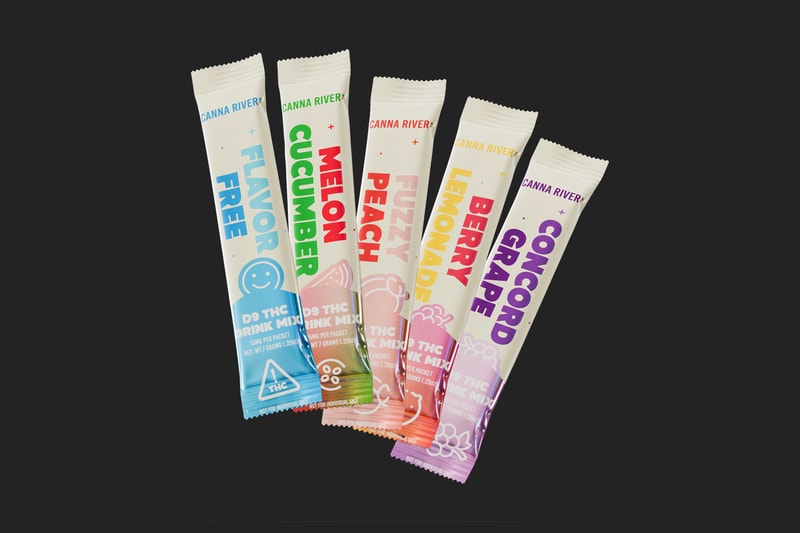
Discover the future of cannabis beverages with Canna River’s D9 Drink Mix—a game-changer in natural wellness. This sugar-free, vegan-friendly powder combines 15mg of hemp-derived Delta-9 THC with vitamins and electrolytes, delivering hydration, relaxation, and health benefits in a customizable, easy-to-mix format.
Flavored options like Melon Cucumber and Fuzzy Peach make it perfect for personalized enjoyment, blending wellness with recreational ease. As functional cannabis drinks gain popularity, this innovative product blurs the lines between hydration, health supplements, and adult indulgence.
Compact and discreet, it appeals to health-conscious consumers seeking versatile, exactly portioned cannabis experiences. With trends emphasizing wellness, customization, and discreet consumption, the D9 Drink Mix marks a significant step forward in the evolving cannabis beverage landscape.
It's more than a drink—it’s a new way to enhance your daily routine with wellness and enjoyment in perfect harmony.

Celebrate our nation’s 250th with a fascinating glimpse into the Revolutionary War’s hidden gardens! Kristina Gabalski reveals how colonists’ home gardens were vital for survival, providing herbal remedies, food, and fiber amid scarce medical help. With only a few hundred trained doctors, soldiers relied heavily on herbs like mint, sage, and yarrow to combat common ailments.
Many of these plants, brought by immigrants and Indigenous knowledge, were cultivated in colonial kitchens and farms. Interestingly, some now-invasive species like garlic mustard and tansy once played crucial medicinal roles.
The article encourages garden lovers to honor this history by exploring historic gardens such as Virginia’s George Washington Birthplace National Monument. Rooted in resilience and resourcefulness, these gardens remind us of our ancestors' ingenuity.

Traditional Chinese medicine (TCM) is making a trendy comeback in Hong Kong’s culinary scene, blending ancient wellness with modern flair. Influenced by the “guochao” movement—celebrating Chinese heritage—restaurants and bars are turning TCM into irresistible dishes and drinks.
Chef Jayson Tang at Man Ho creatively demystifies TCM by translating its complex philosophy into visual, flavor-packed creations, inspired by the Five Elements and rooted in centuries-old texts. This approach transforms bitter herbs and traditional remedies into appealing, health-boosting bites and beverages that appeal to younger, health-conscious diners.
From herbal soups to innovative cocktails, TCM’s rich heritage is now a key ingredient in the city’s vibrant gastronomic culture, blending tradition with contemporary cool. It’s a delicious revolution that’s turning ancient wisdom into the hottest trend on Hong Kong’s fine-dining and bar menus.

St John’s Wort can be a promising option for adults with mild-to-moderate depression, especially when used as a standardized medicinal product approved by health authorities. Research shows it offers antidepressant effects comparable to SSRIs, with better tolerability—mainly affecting multiple neurotransmitter systems like serotonin, norepinephrine, and dopamine.
However, it’s not suitable for severe depression, bipolar disorder, or those on certain medications, due to serious drug interactions—such as reducing the effectiveness of immunosuppressants or hormonal contraceptives—and potential for triggering manic or psychotic episodes. Generally well-tolerated, side effects include gastrointestinal issues and photosensitivity, though risks are low at standard doses.
Clinicians should conduct thorough medication reviews before recommending St John’s Wort, emphasizing that only approved, standardized extracts should be used, not over-the-counter supplements. In the right context, it can be an effective and safe herbal treatment for selected patients.
